
The Flooring That Holds Up to Water (And What to Do When the Damage Is Already Done)
This is a subtitle for your new post
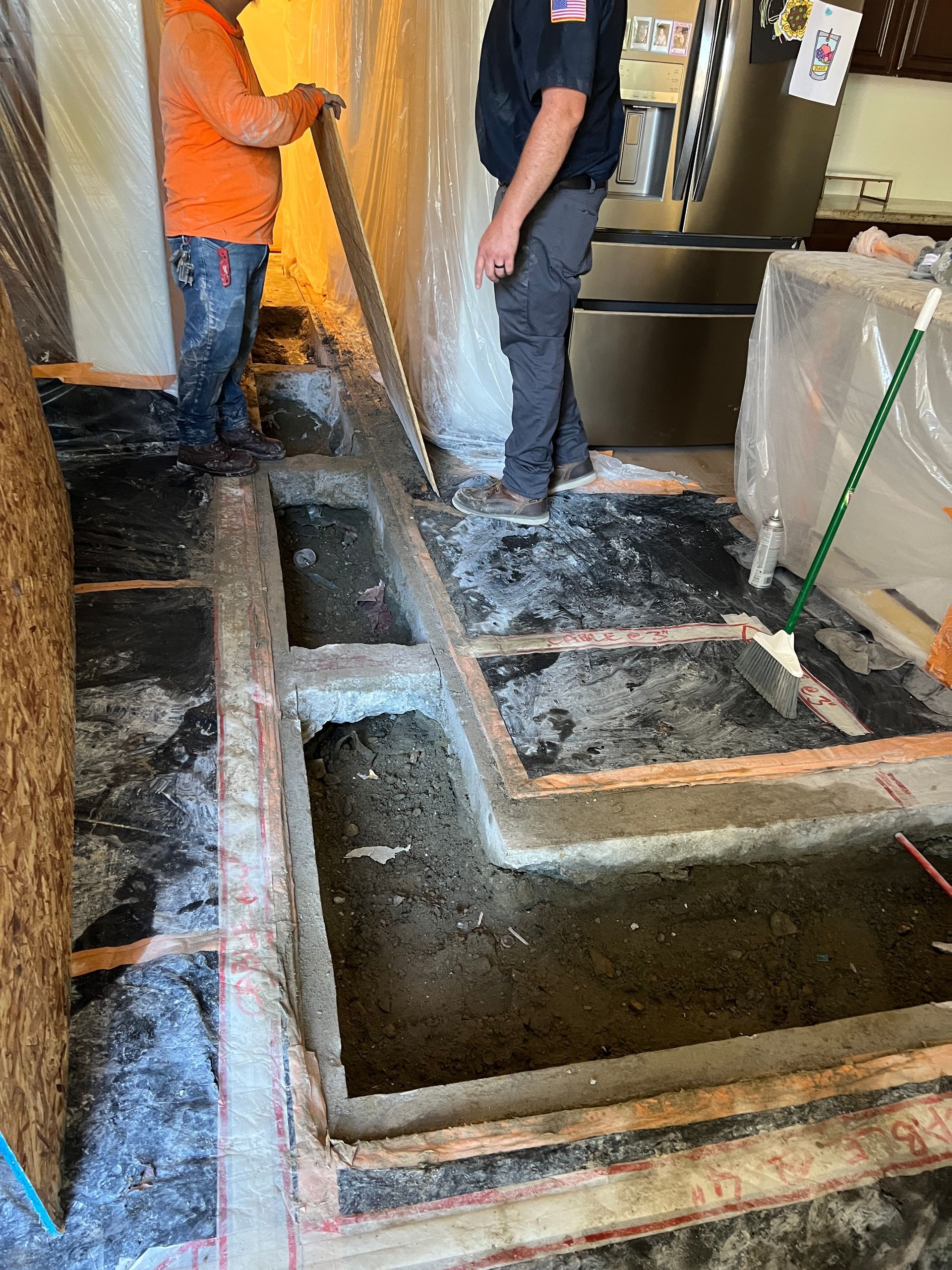
Water damage is the most common home insurance claim in California. Not fire, not
theft. Water. Burst pipes, slow leaks under appliances, backed-up drains - and in the
Inland Empire, where a lot of the housing stock is aging and plumbing doesn’t last
forever, it’s something homeowners deal with more than they’d like to admit.
When the water is cleaned up and the walls are patched, the floor is usually the last
decision. And that’s when people start asking what they should actually put down this
time around.
Two options consistently hold up better than everything else when moisture is a
concern. Here’s what you need to know about both.
Luxury Vinyl Tile (LVT)
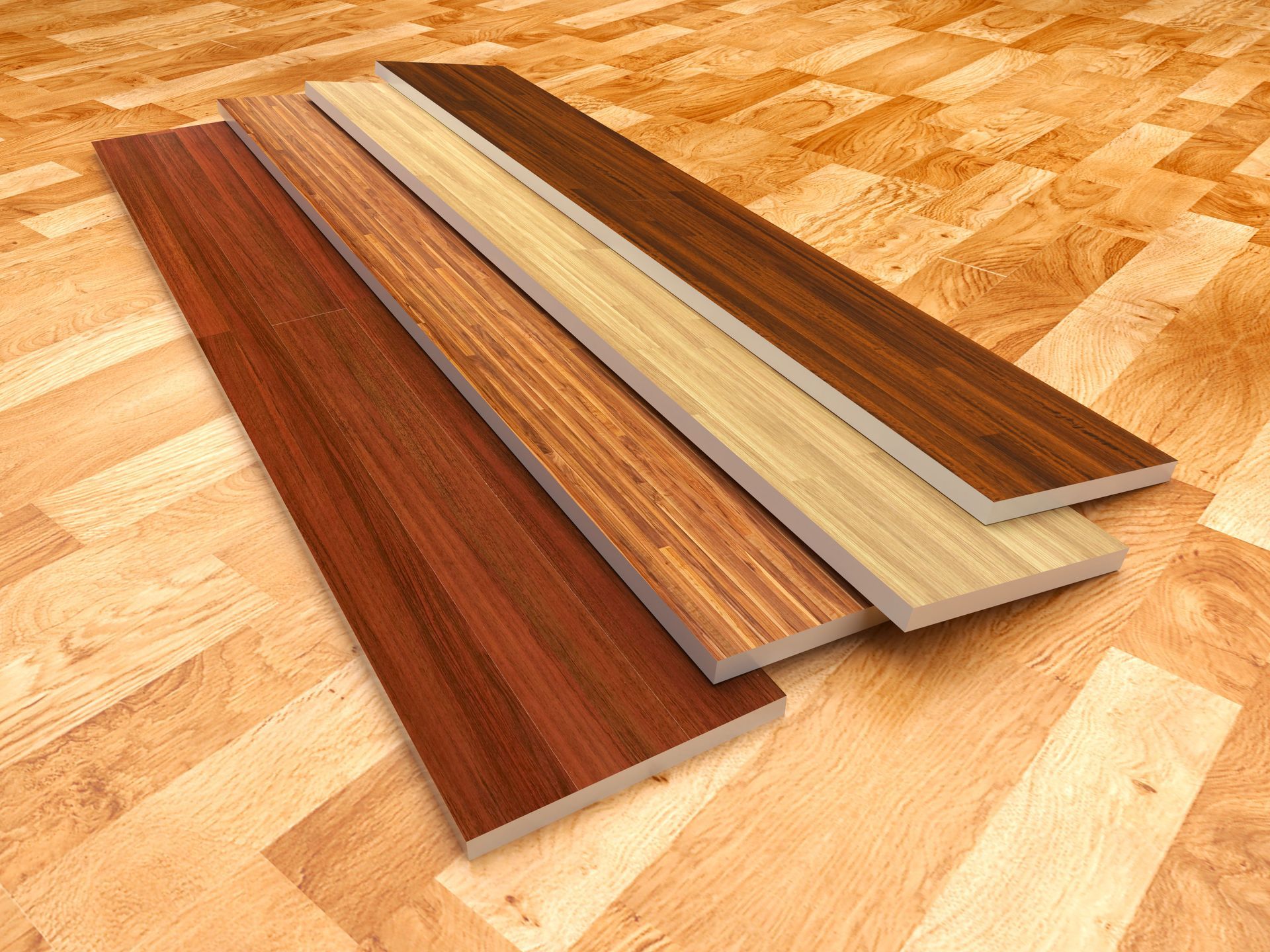
LVT is the most practical flooring choice for any room that sees real moisture. The core
is fully synthetic, which means water can’t swell it, warp it, or cause the kind of damage
you see with wood-based products. A quality LVT floor can handle a slow appliance
leak, a bathroom that doesn’t get enough ventilation, or years of mopping without
showing much for it.
The surface quality has improved significantly over the past several years. It now looks
close enough to hardwood or stone that most people can’t tell the difference in a
finished room. It stopped being a compromise product a while ago.
Two things matter most when you’re shopping. First, look for a rigid core - specifically
SPC, which stands for stone plastic composite. It holds up better in homes that run
heavy air conditioning through a long Inland Empire summer and then sit warm for
months at a time. Temperature swings affect cheaper core materials more than most
people expect. Second, pay attention to the wear layer. Anything under 12 mil wears
through faster than it should. If you have pets or kids, 20 mil is worth paying for.
For kitchens, bathrooms, laundry rooms, or any home with a history of plumbing issues,
LVT is where to start.
Waterproof Laminate
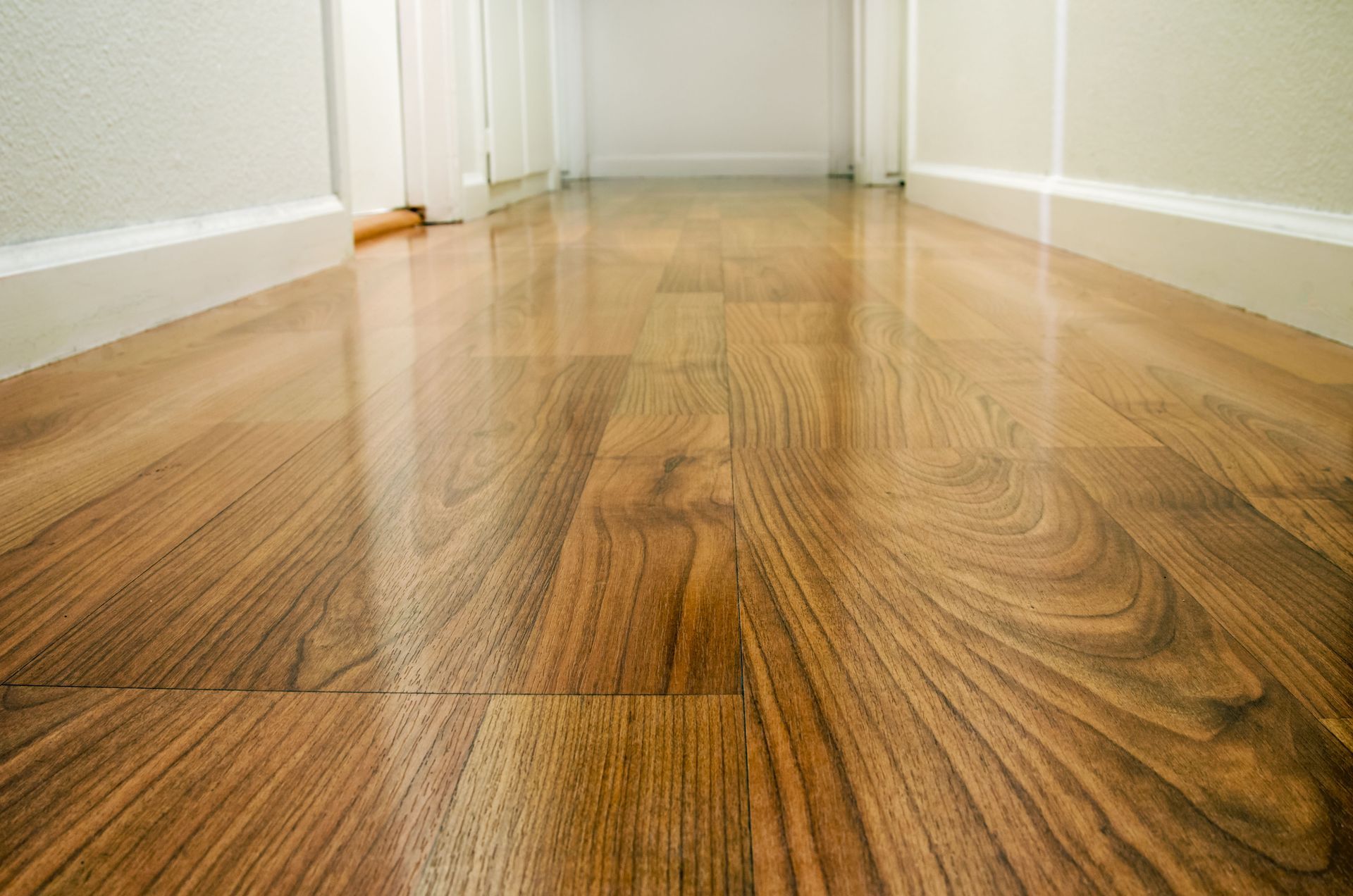
Waterproof laminate is a legitimate option, but the label gets used loosely enough that
it’s worth paying attention before you buy.
Standard laminate is essentially pressed wood fiber with a photographic layer on top.
When water gets to the core, the boards swell, the seams lift, and the floor is finished.
There’s no drying it out and continuing on. Waterproof laminate addresses this with a
sealed core and treated seams that resist water getting between the planks.
The issue is that some products genuinely earn that label and others are closer to
water-resistant under normal conditions, which is a meaningfully different thing. Before
you commit, ask whether the core is waterproof or just the surface, and read the
warranty to understand what’s actually covered if moisture gets through the seams.
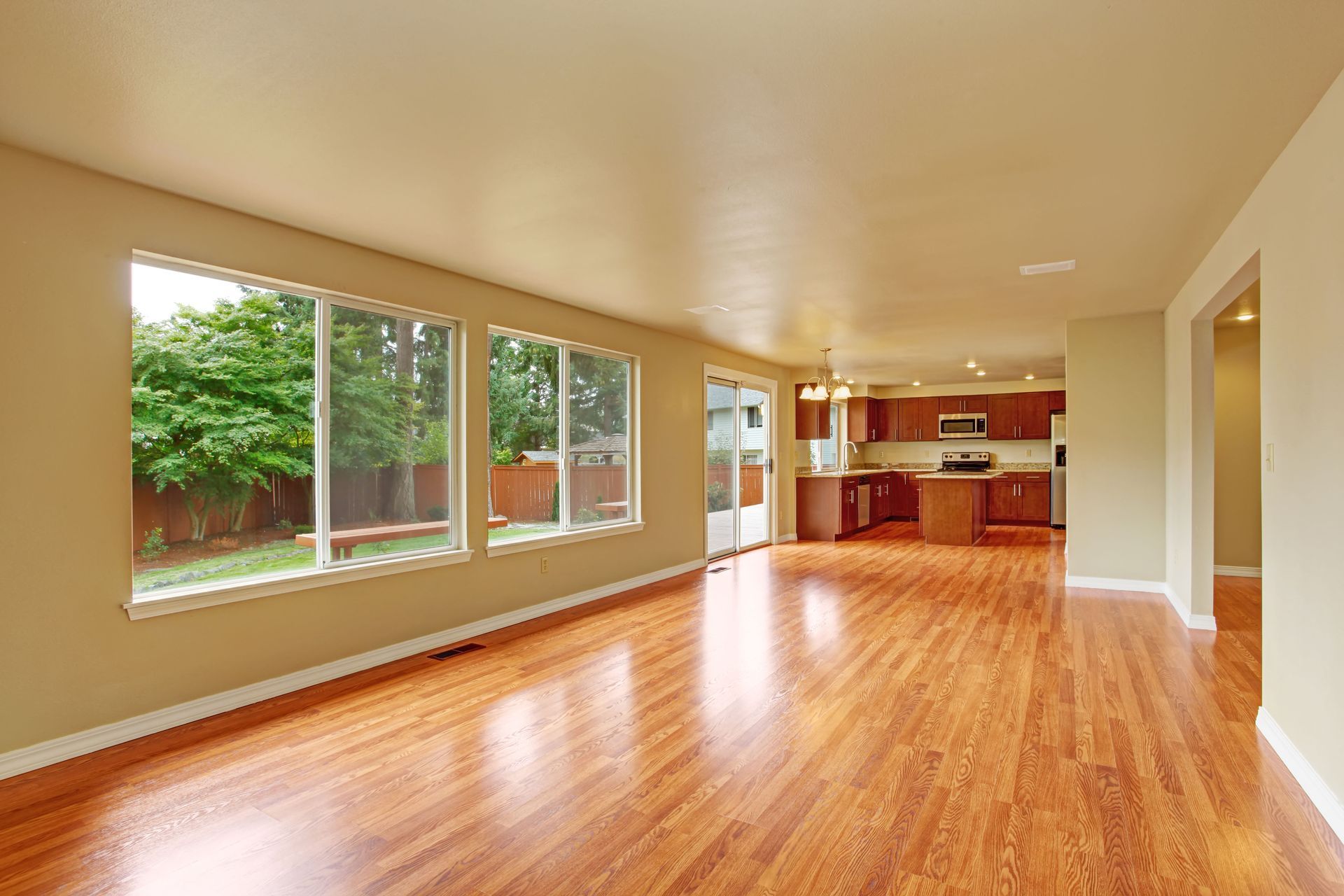
A solid waterproof laminate from a reputable brand is a reasonable choice for living
rooms, bedrooms, and lower-risk areas. It typically costs less than LVT and some
people prefer how it feels underfoot. For kitchens, bathrooms, or anywhere a plumbing
failure is a real possibility, LVT gives you more margin for error.
The Supplier and Installer Are Part of the Decision
The right floor installed carelessly will still fail. Seams that aren’t properly sealed, a
subfloor that wasn’t checked for existing moisture, gaps left at transitions - these are the
details that determine whether a floor holds up for 20 years or becomes a problem in
two.
At Meridian Hardwood Floors, this is a conversation we have with every customer
before anything gets selected. The Inland Empire has its own set of conditions - older
homes, subfloors that have seen some history, properties where a previous water issue
wasn’t fully resolved before the next owner moved in. The right product for a newer
home on a concrete slab isn’t always the right product for a 1970s house with a wood
subfloor that’s been through a few things.
Licensed installation matters for the same reason. Moisture barriers, seam sealing,
correct transitions around appliances - these aren’t complicated concepts, but they take
real experience to get right consistently. That experience is what protects the floor when
something unexpected happens.
When It Makes More Sense to Sell
Most homeowners who deal with water damage repair it and move on. But sometimes
the damage goes further than the floor - into the framing, the walls, or areas where mold
has had time to settle in - and the repair estimate grows into something that doesn’t
make financial sense.
If you’re in that situation and the cost of repairs feels like more than you want to take on,
selling the home as-is is worth understanding before you commit to a major project.
Casey Buys Houses purchases homes throughout the Inland Empire in any condition.
Water damage, mold, deferred maintenance - none of it needs to be addressed before
closing. For homeowners who’d rather move on than manage a renovation, it’s a
straightforward option.
Share On: